
May is Electrical Safety Month—a perfect reminder to take a closer look at how electricity is used in your home and identify potential hazards before they become serious problems. While electricity powers our daily lives, it can also pose significant risks if systems are outdated, overloaded, or improperly handled.
The good news is that a few proactive steps can go a long way in keeping your family safe.
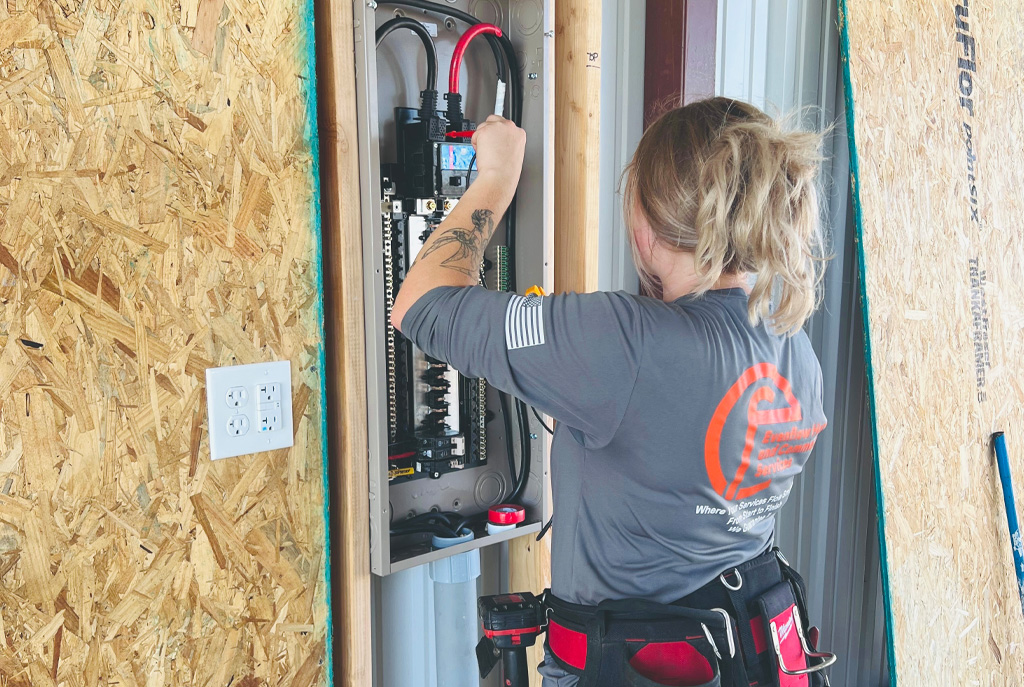
Watch for Warning Signs
Your home often gives subtle clues when something isn’t right. Flickering lights, frequently tripped breakers, buzzing outlets, or a burning smell can all indicate underlying electrical issues. Warm or discolored outlets and switches are another red flag that shouldn’t be ignored. If you notice any of these warning signs, it’s important to act quickly rather than hoping the problem resolves itself.
Avoid Overloading Circuits
Modern homes rely heavily on electronics, but many older electrical systems weren’t designed to handle today’s demand. Plugging too many devices into a single outlet or power strip can overload circuits and increase the risk of overheating or fire. Spread out your devices across multiple outlets and use surge protectors when appropriate—but remember, they’re not a substitute for proper wiring.
Use Extension Cords Safely
Extension cords are convenient, but they should only be used as a temporary solution. Running cords under rugs, through doorways, or across high-traffic areas can cause wear and tear, increasing the risk of shocks or fires. If you find yourself relying on extension cords regularly, it may be time to install additional outlets in those areas.
Keep Electricity Away from Water
Water and electricity are a dangerous combination. Always keep electrical devices away from sinks, bathtubs, and outdoor moisture. In areas like kitchens, bathrooms, and outdoor spaces, make sure your home is equipped with Ground Fault Circuit Interrupters (GFCIs). These devices automatically shut off power when they detect an imbalance, helping prevent serious injury.
Childproof Your Home
If you have young children, taking extra precautions is essential. Use outlet covers or tamper-resistant receptacles to prevent curious hands from inserting objects into sockets. Keep cords out of reach and ensure that appliances are unplugged when not in use. Small steps like these can significantly reduce the risk of accidents.
Don’t Ignore Outdated Wiring
Older homes may still have outdated wiring systems that aren’t equipped to handle modern electrical loads. If your home is more than a few decades old and hasn’t had an electrical inspection, it’s worth having one done. Upgrading your wiring can improve safety, efficiency, and overall reliability.
Trust a Licensed Electrician
When it comes to electrical repairs or installations, cutting corners can be dangerous. DIY fixes may seem cost-effective, but improper work can lead to serious hazards, including electrical fires or shock risks. A licensed electrician has the training and experience to diagnose issues correctly, ensure work meets code requirements, and keep your home safe.
Stay Safe All Year Long
Electrical Safety Month is a great time to evaluate your home, but safety shouldn’t stop in May. Regular inspections, mindful usage, and prompt attention to warning signs can help prevent problems before they start. By taking a proactive approach—and relying on qualified professionals when needed—you can keep your home safe, efficient, and worry-free all year long.
Schedule an appointment with Evenflow Home & Commercial Services. Where your service flows smoothly from start to finish: we guarantee it.