
When winter arrives, most homeowners expect higher heating bills and colder mornings. What often comes as a surprise is how much extra strain cold weather puts on your water heater. From longer recovery times to rising energy costs, winter conditions can expose weaknesses in aging or inefficient systems.
Understanding why water heaters struggle more in colder months can help you know when it’s time to schedule repairs—or consider replacement.
Colder Incoming Water Means More Work
In winter, the temperature of the water entering your home drops significantly. Your water heater must raise that colder water to the same comfortable temperature you expect year-round. That larger temperature “lift” requires more energy and longer run times. For older or inefficient units, this added workload can lead to noticeable delays in hot water delivery, lukewarm showers, or running out of hot water faster than usual.
Increased Demand Strains the System
Cold weather naturally increases hot water use. Longer showers, more frequent handwashing, and heavier laundry loads all increase demand. When combined with colder incoming water, your system may struggle to keep up—especially if it was already operating near its capacity. This is often when small issues, such as worn heating elements or sediment buildup, become impossible to ignore.
Heat Loss Becomes More Noticeable
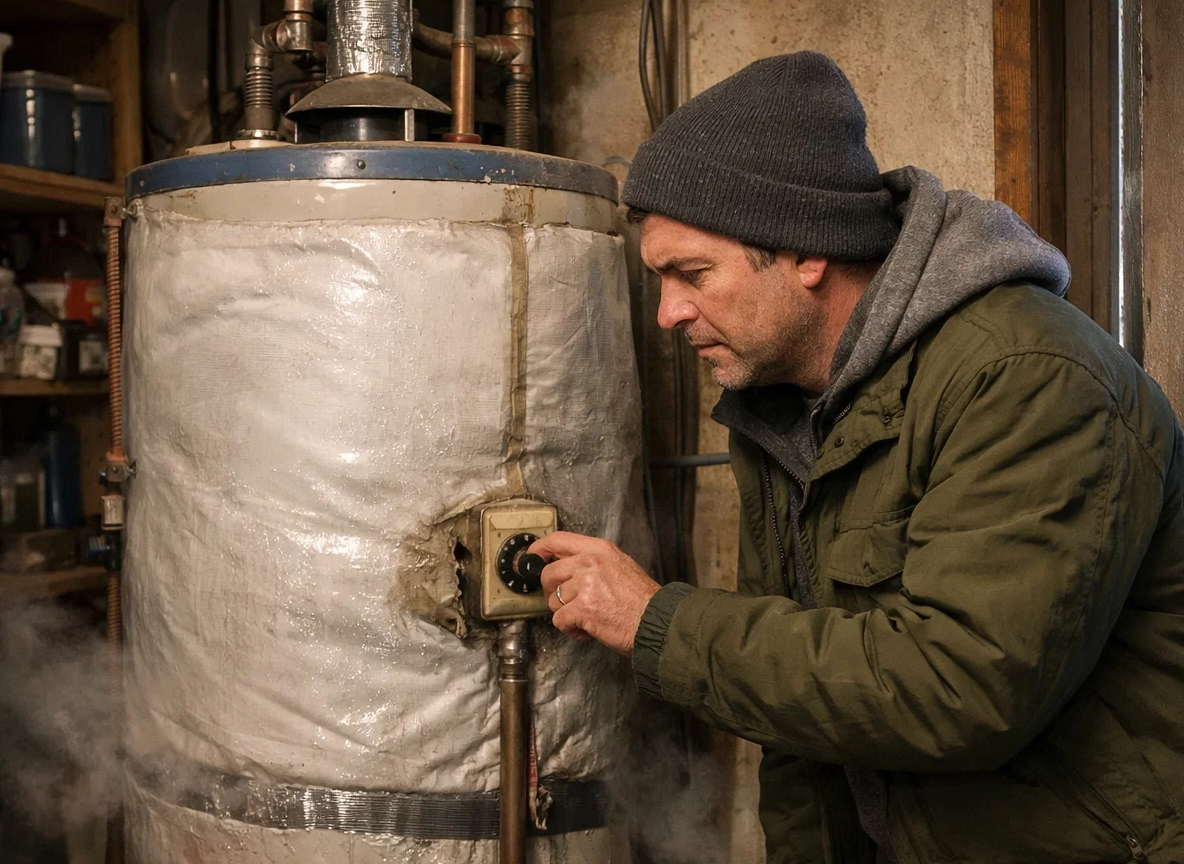
Water heaters installed in garages, basements, or utility rooms are exposed to lower ambient temperatures in winter. Traditional tank-style heaters lose heat to their surroundings, so they cycle on more frequently to maintain water temperature. Poor insulation or an aging tank can significantly increase standby heat loss, driving up energy bills and accelerating wear on the unit.
Why Efficiency Matters More in Cold Weather
Efficiency is important year-round, but it becomes especially critical in winter. High-efficiency water heaters are better insulated, heat water more effectively, and waste less energy during operation. For example, tankless water heaters heat water on demand and avoid standby heat loss altogether.
It Might Be Time to Schedule Repairs
Winter is often when water heater problems become apparent. You should schedule a professional repair if you notice:
- Hot water is running out faster than normal
- Inconsistent or fluctuating water temperatures
- Unusual noises like popping or rumbling
- Rising energy bills without increased usage
Addressing these issues early can prevent a complete failure during the coldest part of the year.
Could Replacement Help?
If your water heater is 10–15 years old, winter performance problems may signal that it’s time to replace it. Frequent repairs, ongoing inefficiency, or difficulty meeting household demand are strong indicators. Upgrading before a total breakdown lets you choose an efficient model on your terms rather than during an emergency.
Plan Ahead
Cold weather doesn’t have to mean cold showers or unpredictable hot water. Scheduling an inspection, repair, or replacement before winter fully sets in helps ensure reliable performance when your system is under the most stress. Investing in efficiency now can improve comfort, control energy costs, and provide peace of mind all winter long.
Evenflow Home & Commercial Services has your back. Schedule an appointment today. Where your service flows smoothly from start to finish: we guarantee it.